 ZwayRank
How Do You Get Cited by AI Search Engines?
Getting your brand cited by AI search engines feels like a new, opaque challenge, right? You are building a great product, but how do you make sure AI actually names you when a potential customer asks a question? The answer is simpler than you might think: you earn citations by creating highly structured, source-friendly content that directly answers specific user questions, compares options clearly, and includes verifiable data and expert quotes. This is faster and more controllable than waiting for an AI model to "learn" your brand organically.
The fight for visibility has shifted. It is no longer just about ranking #1 in a list of blue links. It is about becoming a cited source within the AI-generated answer itself. This is not just theory. ZwayRank tracks how AI engines like ChatGPT, Gemini, and Claude answer buyer questions, showing this is a top-of-mind concern for founders.
Why Citations Are the New Battleground
Why should you care about citations over traditional rankings? Because being a cited source places your brand directly within the answer the user trusts, bypassing that traditional list of blue links entirely. Influencing citations is a more direct strategy than the slow, unpredictable process of being absorbed into a model's training data.
Think of citations as the new "featured snippet," but with higher authority and direct traffic potential. When an AI model cites your content, it is essentially endorsing your information. This is a more immediate and controllable strategy for 2026 and beyond.
It is important to understand the difference between being "in the training data" and being "cited in a real-time answer." Being in the training data is passive; your content might have been scraped at some point, but there is no guarantee the AI will ever surface it or attribute it. Being cited, however, means the AI actively pulled information from your site for that specific query and attributed it directly. That is what we are aiming for.
What Content Format Earns the Most AI Citations?
AI models prioritize content that is structured for easy parsing and verification. This includes comparison pages, content with expert mentions, and data-backed articles. We will break down how to create each.
How to Use Comparison Pages to Get Cited
Comparison pages are gold for AI citations. Why? Because AI models are constantly synthesizing answers for users comparing solutions. Your detailed, factual "Vs." or "Alternatives" pages, especially those using structured data like tables and clear headings, are perfect for this. A well-structured comparison table is one of the most powerful tools for earning a citation.
Here is how to build one:
- Choose 2-3 direct competitors.
- Create a feature comparison table with clear
<table>,<thead>,<th>, and<tr>HTML tags. - Include columns for Feature, Your Brand, Competitor A, Competitor B.
- Add a "Best for..." summary row at the bottom (e.g., "Best for Startups," "Best for Enterprise").
- Use clear, non-promotional language. State facts, not opinions (e.g., "Integrates with Salesforce" vs. "Seamless integration").
- Answer the query "Your Brand vs Competitor" explicitly in the H1 and opening paragraph.
How to Leverage Experts to Build Citable Authority
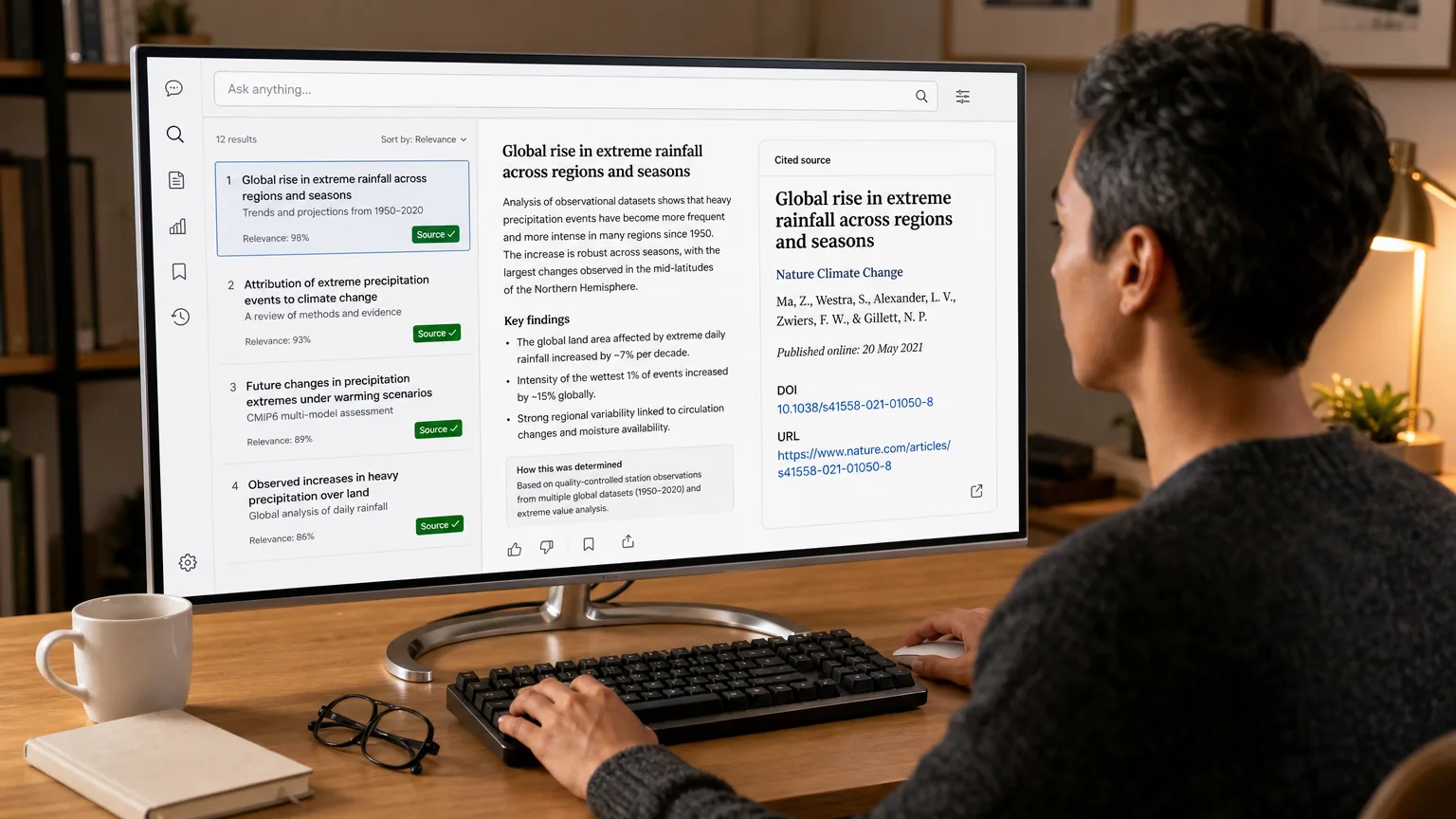
Quoting recognized industry experts and linking to their original work provides verifiable, third-party validation that AI models can trust and reference. Quoting an expert is like adding a verifiable source to your own content, making it more trustworthy for an AI.
Here is how to do it:
- Identify 3-5 respected experts in your niche (use LinkedIn, industry blogs, conference speakers).
- Find a specific, insightful quote from them on a topic you are writing about.
- Use a blockquote (
<blockquote>) to feature the quote. - Attribute it clearly: "As [Expert Name], [Title] at [Company], states..." For example, "As Rand Fishkin, founder of SparkToro, states in his article on audience research, 'The future of marketing is about earning attention, not buying it.'"
- Link directly to the source of the quote (the article, podcast, or social media post). This is critical for verification. For Rand Fishkin's quote, you would link to his article: https://sparktoro.com/blog/audience-research-future-marketing/. Another example is linking to a specific study, like this one from HubSpot on marketing trends: https://blog.hubspot.com/marketing/marketing-statistics.
How to Make My Content "Source-Friendly" for AI
You make content source-friendly by including specific, citable facts and presenting them in a way that is easy for a machine to read and attribute. Think of your content as a reference library for a research assistant (the AI). Make it easy for them to pull a fact and cite the source. This means using lists, including numbers with their sources, and writing in a clear, declarative style.
Here is how to do it:
- Include Real Numbers: Instead of "improves efficiency," write "improves efficiency by 15% (Source: Gartner report, 2023)."
- Use Numbered and Bulleted Lists: Break down processes and features into lists that are easy to parse.
- Define Key Terms: Use a "What is [Term]?" H2 section. AI often pulls definitions from clear, concise explanations.
- Write Simply: Use short sentences and an active voice. Avoid jargon and marketing fluff.
- Leverage AI-driven content identification: ZwayRank can help identify the exact questions and entities AI models are looking for, so you can structure your content to answer them directly. Our twelve AI agents operate 24/7, tracking how AI engines like ChatGPT, Gemini, and Claude answer buyer questions, identifying content gaps, and then writing, publishing, posting, and reporting on content every 30 minutes. Users approve all content before it goes live, ensuring quality and brand alignment. This active resolution of content gaps is the "last mile" that other SEO tools often miss.
What Is My Immediate Action Plan?
You do not need a huge budget or a dedicated content team to start. Here is a simple, three-step plan you can implement right away to increase your probability of being cited:
- Today: Identify one key competitor and outline a "Vs." comparison page using the table structure above.
- This Week: Find one statistic or expert quote to add to an existing, high-value blog post, making sure to link to the source.
- This Month: Audit your top 3 blog posts. Can you add a "What is..." section, a numbered list, or a data point to make them more source-friendly?
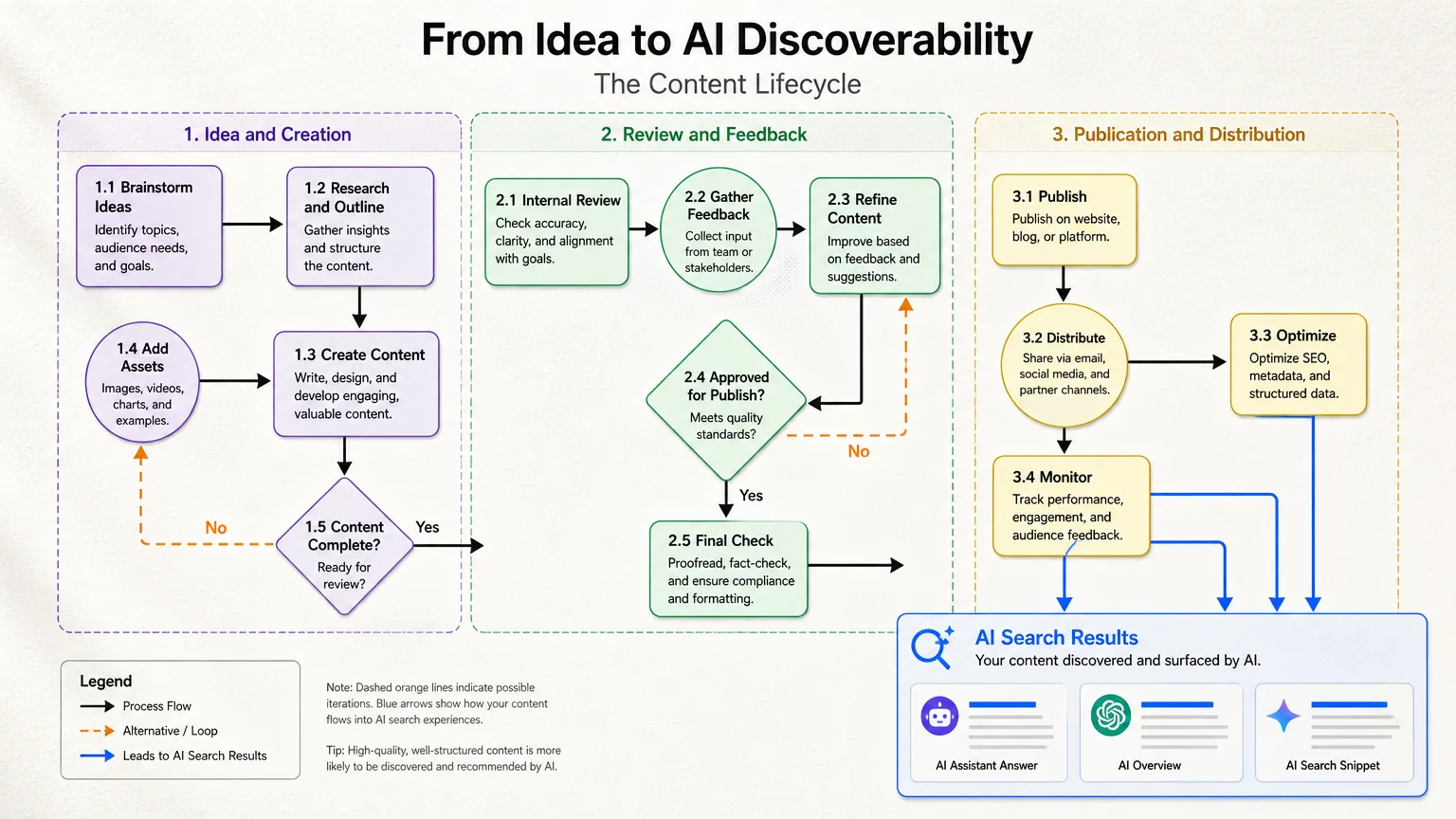
Remember, this is not about guaranteeing a citation every time. It is about optimizing your content to make it the most attractive, trustworthy, and easily parsable source for AI models. This is an evolution of SEO, adding a critical new layer to your search strategy.
As an operations lead with ZwayRank, I have directly overseen our platform's continuous loop of measure, decide, write, publish, post, fix, and re-measure. Our system provides transparent, data-driven proof of work, showing real, timestamped actions from our decision record. For example, our internal logs show 420 actions, 4 pages live, and 19 tasks accepted by our AI agents. This proactive approach is essential for effective AI visibility.
If you want to see exactly where your brand is (and is not) being cited in AI search, and build a data-driven strategy to win the citation battle, Start your free 7-day trial or book a demo to see how your brand appears in AI answers.
Byline: This article was written by an Operations Lead at ZwayRank, a platform specializing in AI visibility and search engine optimization. Our expertise lies in deploying AI agents to continuously track, optimize, and publish content for AI search engines like ChatGPT, Gemini, and Claude, ensuring brands are cited where it matters most.
The first scan is free: what ChatGPT, Gemini and Claude say about you, where Google ranks you, and what the crew would do first.
Start free for 7 days