 ZwayRank
You've probably heard the term "AI website" floating around, but what exactly does it mean? And more importantly, how does it impact whether people find your business online? If you're a small business owner, marketer, or developer, understanding this isn't just for tech giants anymore. It's about staying competitive.
Let's break down what an AI website is and why it matters for your search visibility in 2026.
What Exactly Is an “AI Website”?
An "AI website" is a site that uses artificial intelligence, like machine learning or natural language processing, to automate, personalize, or optimize its user experience and backend operations. Think of it as a website that can learn, adapt, and make smart decisions on its own.
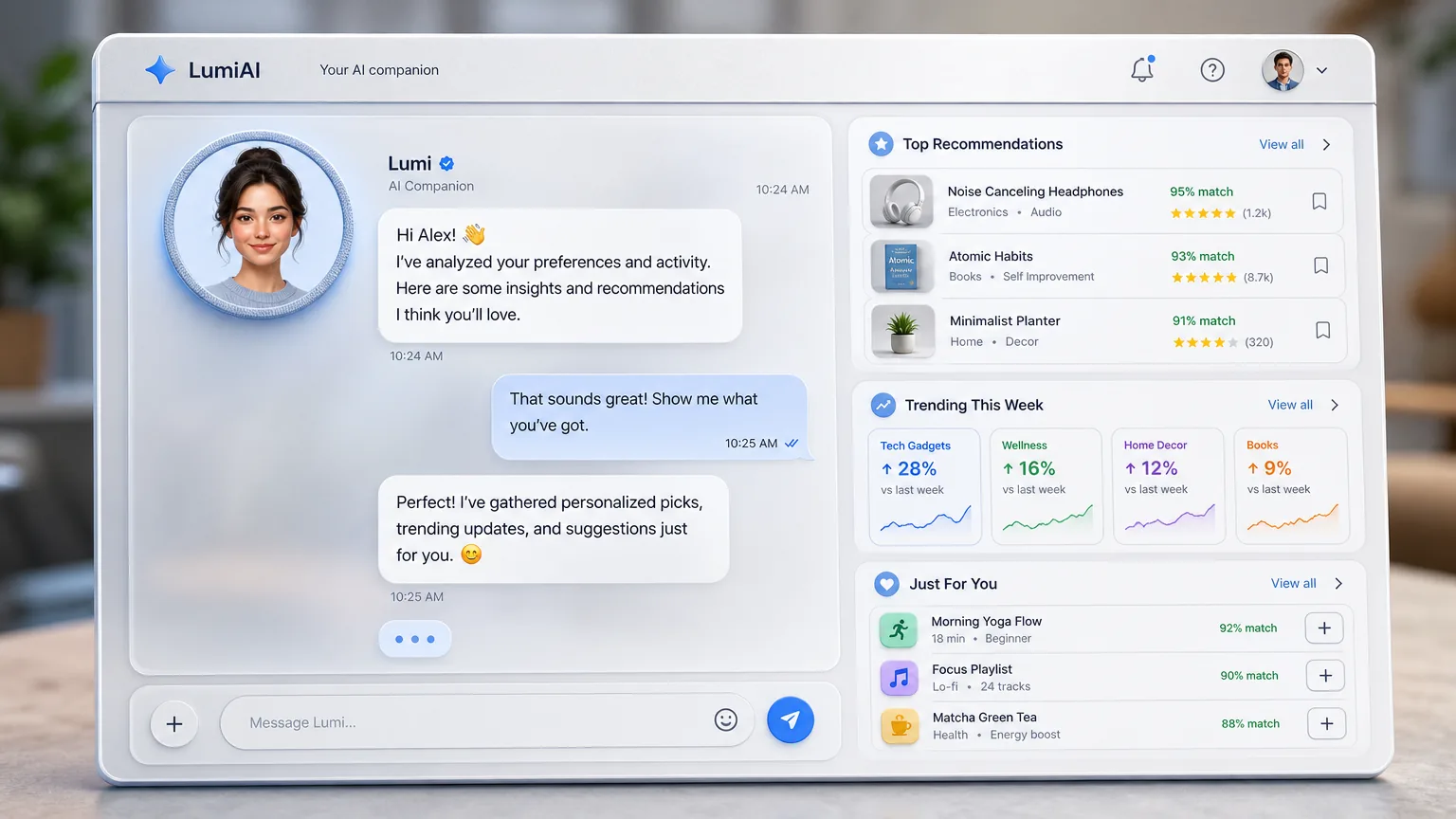
Unlike a traditional, static site that shows everyone the same content, an AI website is dynamic. It changes in real time based on who's visiting, what they've done before, or even external data like current trends. It's less about a fixed brochure and more about a living, breathing digital assistant.
How Is an AI Website Different from a Regular Website?
Imagine a regular website as a printed brochure. It's static. Everyone who picks it up sees the exact same pages, in the same order, with the same information. If you want to change something, you have to manually update every copy.
An AI website, on the other hand, is like a knowledgeable concierge who learns what you need. This concierge remembers your preferences, anticipates your questions, and customizes their recommendations on the fly.
Here's a quick comparison:
| Feature | Regular Website | AI Website |
|---|---|---|
| Content | Static, same for all users | Dynamic, personalized in real time |
| User Interaction | Standard forms, basic search | Chatbots, intelligent search |
| Optimization | Manual SEO tasks | AI-driven keyword research, content generation |
| User Experience | One-size-fits-all | Adaptive, predictive, personalized |
| Backend Operations | Manual data analysis | Automated insights, predictive analytics |
What Core Technologies Power an AI Website?
AI websites aren't magic; they're built on specific technologies. Here are some common components you'll find:
- Machine Learning Models: These are algorithms that learn from data. Think recommendation engines like Netflix uses to suggest movies, or e-commerce sites use for product suggestions.
- Natural Language Processing (NLP): This allows computers to understand, interpret, and generate human language. It's what powers chatbots, voice assistants, and even AI content generation tools that can write product descriptions or blog posts.
- Computer Vision: This lets computers "see" and interpret images or videos. For example, it can be used for image recognition in product searches or for moderating user-uploaded content.
- Predictive Analytics: This uses historical data to forecast future outcomes. A website might use it to predict what products a user is likely to buy next or to optimize inventory.
These aren't just theoretical concepts. You've seen them in action with Amazon's product search, Spotify's music recommendations, or even the smart replies in your email.
How Can AI Improve the User Experience on a Website?
A better user experience often leads to more engagement and conversions. AI helps in several key ways:
- Faster Load Times: AI can optimize caching and content delivery networks, making your site feel snappier.
- Personalized Content and Product Suggestions: Imagine a visitor landing on your site and immediately seeing products or articles tailored to their interests. This can improve conversion rates. For instance, a study by Accenture found that 91% of consumers are more likely to shop with brands that provide relevant offers and recommendations, and personalized product recommendations have been shown to increase conversion rates by up to 30% according to Barilliance's 2023 report on e-commerce personalization.
- Intelligent Search: Instead of just matching keywords, AI-powered search understands natural language queries. Users can type questions like "I need a durable laptop for video editing" and get relevant results.
- Conversational Chatbots: These aren't just glorified FAQs. AI chatbots can handle customer support 24/7, answer complex questions, and even guide users through purchases. A properly implemented AI chatbot can reduce bounce rates by answering user questions immediately. For example, a 2022 study by Intercom found that chatbots can reduce bounce rates by up to 10% on key landing pages by providing instant answers and guidance.
What Role Does AI Play in SEO and Search Visibility?
This is where it gets really interesting for your business. Search engines themselves, especially Google, heavily rely on AI. Google's RankBrain, for instance, uses machine learning to interpret search queries and understand user intent. An AI-powered website is better positioned to match that intent.
Here's how AI helps your site get found:
- Smarter Keyword Research: AI tools can analyze vast amounts of data to find not just keywords, but also related topics, user questions, and intent behind searches.
- Content Creation and Optimization: AI can assist in generating content outlines, writing drafts, and optimizing existing content for search engines. AI-driven content optimization tools (e.g., SurferSEO, MarketMuse) help create content that aligns with search engine algorithms.
- Internal Linking and Site Structure: AI can identify logical connections between your content and suggest internal links, improving your site's overall structure and crawlability.
- Understanding User Intent: Because AI websites are designed to understand and respond to user behavior, they naturally produce content and experiences that align with what search engines are trying to deliver: relevant answers to user queries. This means your site is speaking the same language as the search algorithms.
How Do You Build (or Audit) an AI Website?
Building an AI website isn't necessarily about coding everything from scratch. Many tools and platforms make it accessible.
Here's a high-level process:
- Identify AI Opportunities: Where could AI enhance your user experience or automate a task? (e.g., product recommendations, chatbot support, dynamic content).
- Choose Your AI Components: This might involve integrating an AI platform or plugin. You could use a ChatGPT API for a chatbot, TensorFlow.js for custom machine learning models, or specialized services like Algolia for intelligent search.
- Integrate with Your CMS: Most AI tools can be integrated with popular Content Management Systems (CMS) like WordPress, Shopify, or custom solutions.
- Set Up Tracking and Training Data: AI learns from data. You'll need to collect relevant user behavior data to train your models and continuously improve their performance.
If you're unsure where to start, an audit is a great first step. You can assess your current site's AI readiness and how well it's performing in terms of search visibility. We can help you understand your site's AI readiness and visibility.
Here's a simple checklist for beginners:
- Does your site use any personalization (even basic)?
- Do you have a chatbot? Is it intelligent or just script-based?
- Are you using AI tools for any part of your content or SEO workflow?
- How well does your site answer specific user questions across different search engines?
What Are Common Myths About AI Websites?
Let's clear up some common misconceptions:
- Myth: “AI websites are too expensive or complex for small businesses.” Reality: While advanced AI can be complex, many affordable tools and SaaS solutions exist. You don't need a team of AI engineers to implement a smart chatbot or personalized recommendations. A 2023 IBM Global AI Adoption Index report indicated that over 42% of companies surveyed are already actively using AI in their business, with another 40% exploring it, suggesting widespread and accessible adoption across various business sizes. More specific to websites, a 2023 HubSpot survey found that 60% of businesses are already using AI for marketing automation, including website personalization and chatbots.
- Myth: “AI automatically guarantees top rankings.” Reality: AI is a powerful tool, but it's not a shortcut. Content quality, user value, and overall SEO best practices still matter immensely. AI helps you execute better, not bypass the fundamentals. We never claim instant results or guarantee a specific ranking position.
- Myth: “AI websites are only for tech companies.” Reality: Any industry can benefit from personalization, automation, and intelligent user experiences. From local bakeries offering personalized discounts to law firms using AI for faster client intake, the applications are broad.
Conclusion: Is an AI Website Right for Your Business?
Considering an AI website isn't about replacing your current site; it's about enhancing it. The key benefits are clear: better personalization, increased efficiency, and improved SEO that aligns with how modern search engines operate.
You don't need to dive headfirst into building a fully autonomous AI system overnight. Start by assessing your current site's capabilities and identifying areas where AI could make a tangible difference. This could be as simple as adding a smart chatbot or using AI to optimize your content strategy.
A great first step is to understand how your brand currently appears in AI answers and traditional search. Explore how ZwayRank can measure your site’s AI readiness and search performance, helping you get the organic visibility you need without breaking the bank.
Start your free 7-day trial or book a demo to see how your brand appears in AI answers.
The first scan is free: what ChatGPT, Gemini and Claude say about you, where Google ranks you, and what the crew would do first.
Start free for 7 days